


Acupuncture for Sinusitis and Seasonal Allergies
A change in seasons and the welcome of Spring is sometime over shadowed by sneezing, itchy eyes and sinusitis.
Acupuncture can be used as a supportive therapy for sinusitis and seasonal allergies because it can help regulate the immune system, reduce inflammation, and improve the circulation of Qi and fluids in the head and face.

Consider acupuncture as a complimentary modality to bring relief to seasonal allergies and sinusitis.
Here’s an overview:
Traditional Chinese Medicine (TCM) Perspective
- Seasonal Allergies (Allergic Rhinitis): Usually linked to Lung Qi Deficiency, Spleen Qi Deficiency, and/or Wei Qi (defensive Qi) weakness, often complicated by the invasion of Wind-Cold or Wind-Heat.
- Sinusitis (chronic or acute): Often due to Lung and Spleen dysfunction, with Damp-Phlegm accumulation and possible Heat obstructing the nasal passages. Long-standing cases may involve Kidney Deficiency leading to poor fluid metabolism.
Treatment Goals
- Open the nasal passages and sinuses
- Disperse Wind and clear Heat if present
- Transform Phlegm and drain Dampness
- Tonify Lung and Spleen to strengthen Wei Qi
- Relieve pain and pressure in the sinuses
Commonly Used Acupuncture Points
(selection depends on presentation of individuals constitution & presenting symptoms – excess vs. deficiency, acute vs. chronic)
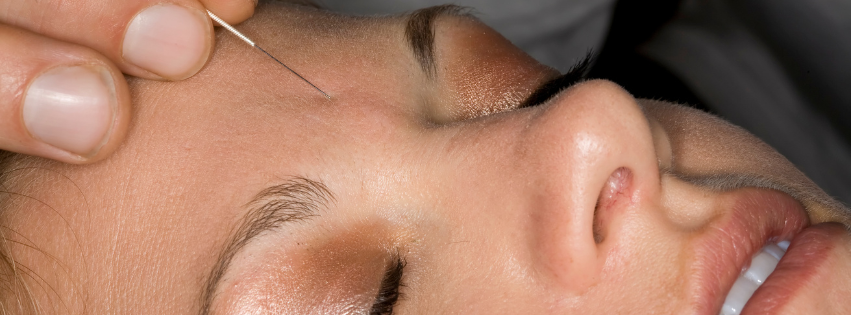
Local points such a Yintang can provide relief from congested sinuses
Local / Symptomatic relief :
- LI20 (Yingxiang): Opens nasal passages, clears sinus congestion
- Bitong (extra point): Very effective for nasal obstruction
- Yintang: Relieves sinus pressure, calms spirit
- GV23 (Shangxing): Opens nose, clears head
For Wind-Cold or Wind-Heat invasion :
- LI4 (Hegu): Dispels Wind, regulates Wei Qi
- LU7 (Lieque): Releases exterior, opens nose
- GB20 (Fengchi): Expels Wind, benefits head
For Phlegm-Damp accumulation :
- ST40 (Fenglong): Transforms Phlegm
- SP9 (Yinlingquan): Resolves Damp
For underlying deficiency (chronic / seasonal tendency) :
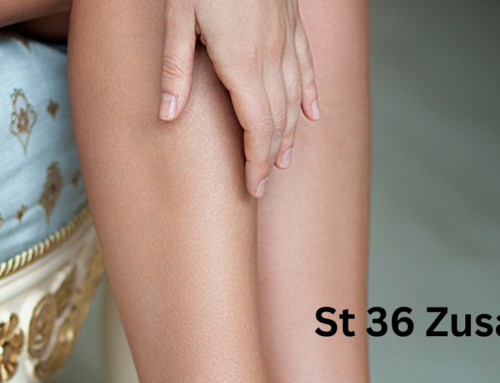
- ST36 (Zusanli): Tonifies Qi, strengthens immunity
- BL13 (Feishu): Tonifies Lung Qi
- BL20 (Pishu): Supports Spleen Qi
- KI3 (Taixi): Supports Kidney (chronic cases)
Adjunctive Techniques
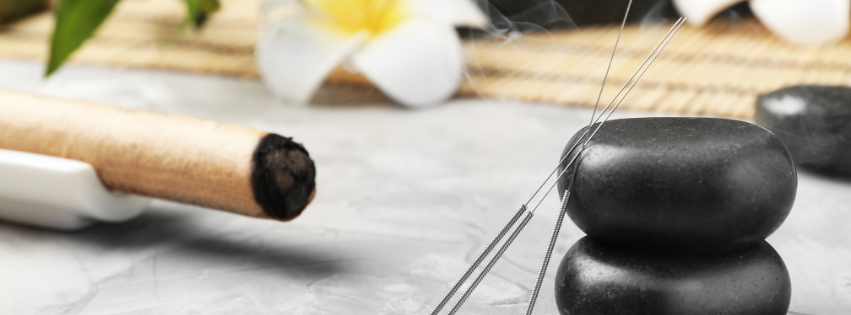
Adjunctive therapies include moxibustion, gua sha and herbal remedies.
- Moxibustion: If there is deficiency or Cold pattern
- Gua Sha / Cupping (upper back): For acute Wind-Cold invasion with sinus congestion
- Acupressure / self-massage: Around Yintang, LI20, Bitong, and GV23 for patients at home
Evidence & Clinical Notes
- Studies suggest acupuncture may reduce nasal congestion, sneezing, and itching in allergic rhinitis by modulating immune response and reducing inflammatory mediators (like histamine).
- Clinical practice often combines local points for drainage and systemic points for addressing root imbalances.
- Best results come from preventive treatment before allergy season, alongside acute care during flare-ups.







Leave A Comment